Bridging Political Divides: A Call for Understanding
In today's world, political divides seem deeper than ever. Conversations that once flowed freely now often lead to heated arguments and misunderstandings. This polarization can feel overwhelming, but it doesn't have to be the norm. Understanding is the key to bridging these divides and fostering a more inclusive dialogue.
The Current State of Political Discourse
Political discourse today is marked by extreme polarization. According to a 2020 Pew Research study, nearly 80% of Americans believe that political divisions are a significant problem. This divide is not just about differing opinions; it often leads to a breakdown in communication, where individuals are unwilling to listen to opposing viewpoints.
Factors Contributing to Polarization
Media Influence: The rise of social media has created echo chambers where people only engage with like-minded individuals. Algorithms prioritize content that aligns with users' beliefs, reinforcing existing biases.
Identity Politics: Many individuals now define themselves by their political affiliations, leading to a sense of tribalism. This can create an "us vs. them" mentality, making it difficult to find common ground.
Misinformation: The spread of false information can exacerbate misunderstandings and fuel animosity between groups. When people base their beliefs on inaccurate information, it becomes challenging to engage in constructive dialogue.
The Importance of Empathy
Empathy is crucial in bridging political divides. It allows individuals to step into someone else's shoes and understand their perspective. Here are some ways to cultivate empathy in political discussions:
Active Listening
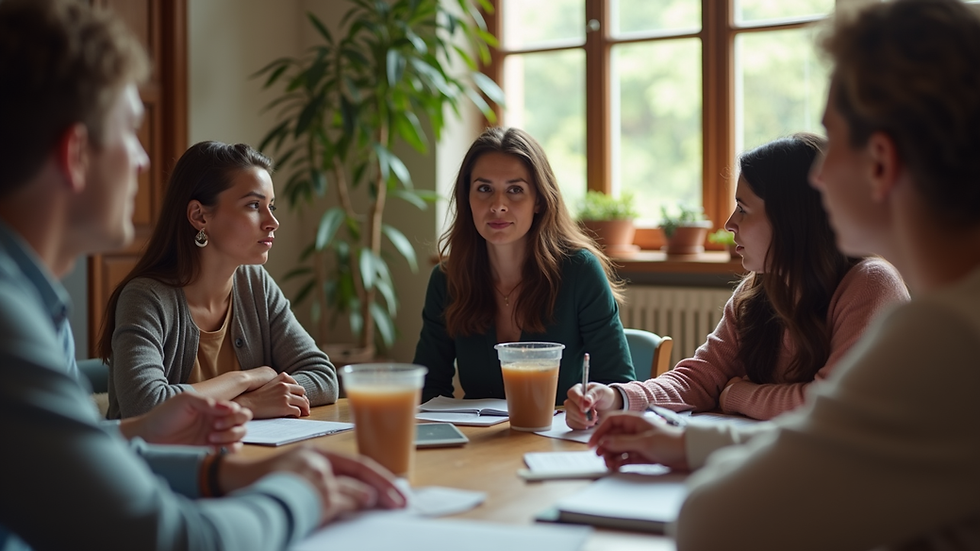
Active listening involves fully concentrating on what the other person is saying rather than preparing your response while they speak. This practice can help individuals feel heard and valued, even if they disagree.
Asking Questions
Instead of making assumptions about someone's beliefs, ask open-ended questions. This encourages dialogue and shows that you are genuinely interested in understanding their perspective.
Sharing Personal Stories
Personal experiences can humanize political discussions. Sharing your story can create a connection and help others see the issue from a different angle.
Strategies for Constructive Dialogue
Engaging in constructive dialogue requires intention and effort. Here are some strategies to facilitate meaningful conversations:
Find Common Ground
Start discussions by identifying shared values or goals. This can create a foundation for a more respectful exchange of ideas.
Stay Calm and Respectful
Emotions can run high during political discussions. It's essential to remain calm and respectful, even when disagreements arise. This sets a positive tone for the conversation.
Focus on Issues, Not Individuals
Avoid personal attacks or labeling individuals based on their political beliefs. Instead, focus on the issues at hand. This helps keep the conversation productive and prevents it from devolving into name-calling.
The Role of Education
Education plays a vital role in bridging political divides. By fostering critical thinking and media literacy, individuals can better navigate the complex political landscape. Here are some educational approaches to consider:
Encourage Critical Thinking
Teaching individuals to analyze information critically can help them discern fact from fiction. This skill is essential in an age where misinformation is rampant.
Promote Media Literacy
Understanding how media operates can empower individuals to question the information they consume. Media literacy programs can equip people with the tools to evaluate sources and recognize bias.
Foster Open Dialogue in Educational Settings
Schools and universities can create environments where students feel safe discussing political issues. Encouraging open dialogue can help students learn to engage with differing viewpoints respectfully.
Community Initiatives
Communities can play a significant role in bridging political divides. Here are some initiatives that can foster understanding:
Town Hall Meetings
Organizing town hall meetings can provide a platform for community members to discuss local issues. These gatherings encourage dialogue and help individuals see the human side of political issues.
Interfaith Dialogues
Bringing together individuals from different faiths can promote understanding and respect. Interfaith dialogues can help break down barriers and foster a sense of community.
Volunteer Opportunities
Engaging in community service can unite individuals from diverse backgrounds. Working together toward a common goal can help build relationships and foster understanding.
The Power of Personal Responsibility
Each individual has a role to play in bridging political divides. Here are some ways to take personal responsibility:
Reflect on Your Biases
Self-reflection is essential for understanding your biases. Acknowledging your preconceived notions can help you approach discussions with an open mind.
Engage with Diverse Perspectives
Make an effort to engage with individuals who hold different beliefs. This can broaden your understanding and challenge your assumptions.
Model Respectful Behavior
Lead by example. Demonstrating respectful behavior in discussions can encourage others to do the same.
Conclusion
Bridging political divides is not an easy task, but it is essential for fostering a more inclusive society. By cultivating empathy, engaging in constructive dialogue, and taking personal responsibility, we can create a culture of understanding. The next time you find yourself in a political discussion, remember that the goal is not to win an argument but to connect with others. Together, we can build a more united community.
Call to Action
Start today by reaching out to someone with a different perspective. Engage in a respectful conversation and see where it leads. Every small step toward understanding can make a significant impact in bridging the divides that separate us.

Comments